Thoughts
Technology enables incredible things, but only if we understand it
The title of this post was the main message of my talk at TEDxINCAE in January 2017. The talk is in Spanish, so here is a summary in English, with the slides translated. It should give you the full message without watching the video, which is at the end of this post.
We assume people know how to use technology
My work involves following the latest technology trends, and I spend my days amazed by their potential: cloud computing, 3D printing, virtual and augmented reality, the internet of things. I also get to teach about these technologies to friends, colleagues and students.
Many people assume that everyone knows how to use technology, especially millennials. I consistently find that this isn’t true, and not only for the newest technologies. People may have some sense of how much established, commercially available technology could change their lives, but they don’t know how to make that happen. Knowledge is often the missing key. Two examples show what that looks like.
San Lucas Tolimán: know it, value it, learn it
San Lucas Tolimán is a rural area in Guatemala, with limited resources, limited literacy and children who receive little medical care. A team from Stanford wanted to use technology to help monitor children’s health. Community health workers were recording everything on paper forms.

The team had the technology. The question was how to get the people of San Lucas to use it. That took three steps:
- Knowing the technology exists. The health workers were introduced to the tablet. But knowing something exists is not the same as using it.
- Understanding that it has value. Here the benefits were better monitoring, faster response and safer information. None of that is obvious, and it took someone who could bridge both worlds to explain it.
- Learning to use it. The training started with games, simply so people would notice that the tablet responded to touch, which wasn’t obvious to them. Then came an application built around the same ideas they already used on paper. Once they understood it, they appreciated its value.
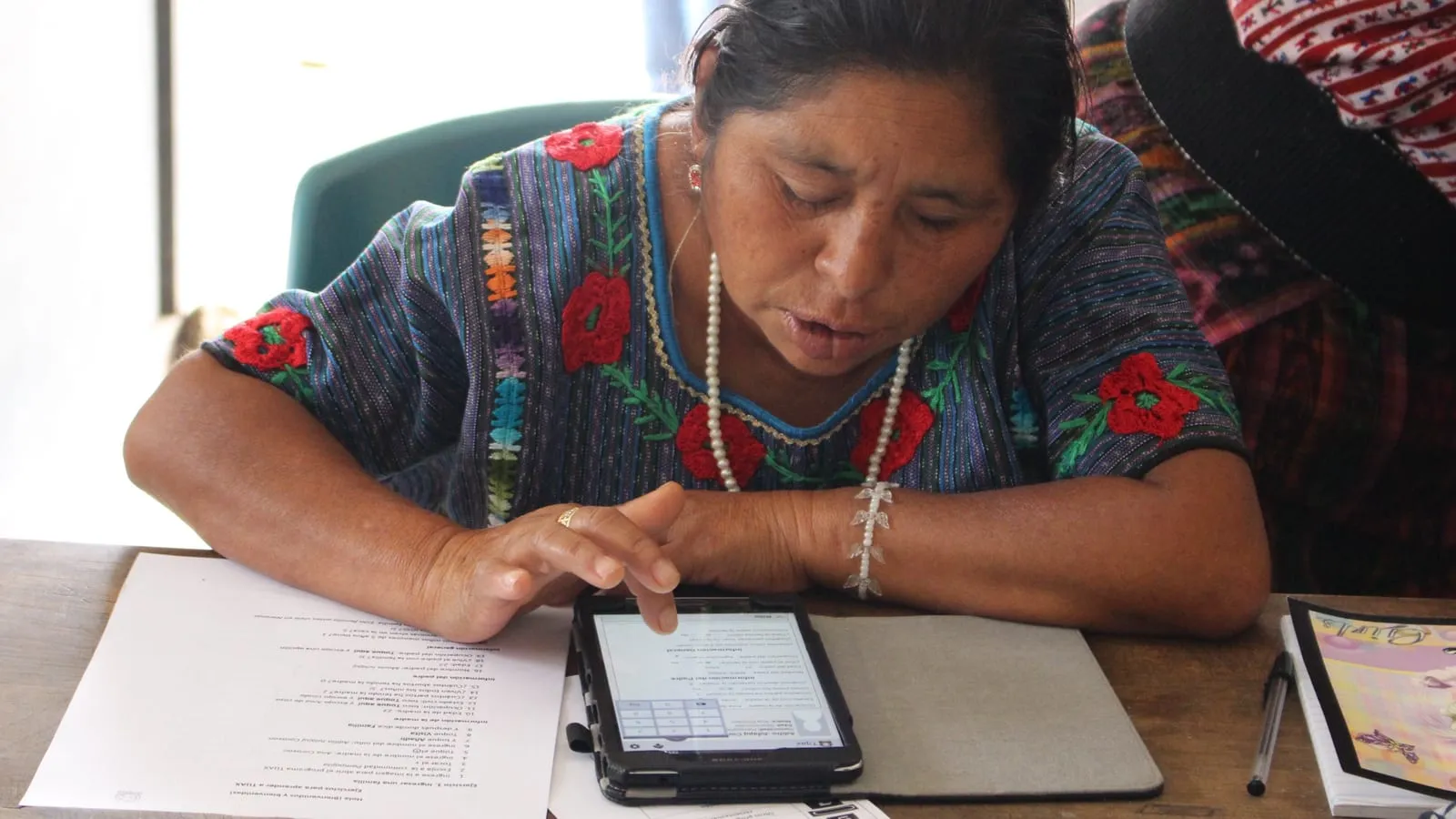
With a lot of support, they learned to use the technology. It could never have delivered its value if the local health workers hadn’t known about it, valued it and made it their own.
Cloud services: getting started is the hardest part
The second example is closer to the economy most of us live in. Companies are used to running a few servers, in their own data center or a provider’s: an information system on a server that users connect to. Cloud services now give any company access to hundreds of servers that can run at the same time. The cloud democratized access to IT. It gives small companies equipment that used to be reserved for large multinationals.
But do companies know how to put 100 servers to work at once? We may have some idea of what the technology can do, yet we often don’t take it on because we don’t know how. Two results from my research with a public cloud provider illustrate this.
Most customers who leave do so early. The probability that a customer stops using the service is highest in the first two weeks. Starting is the hardest part. So we compared two similar customers who had just signed up. One was simply welcomed. The other also received about 20 minutes of basic education on how to get started.
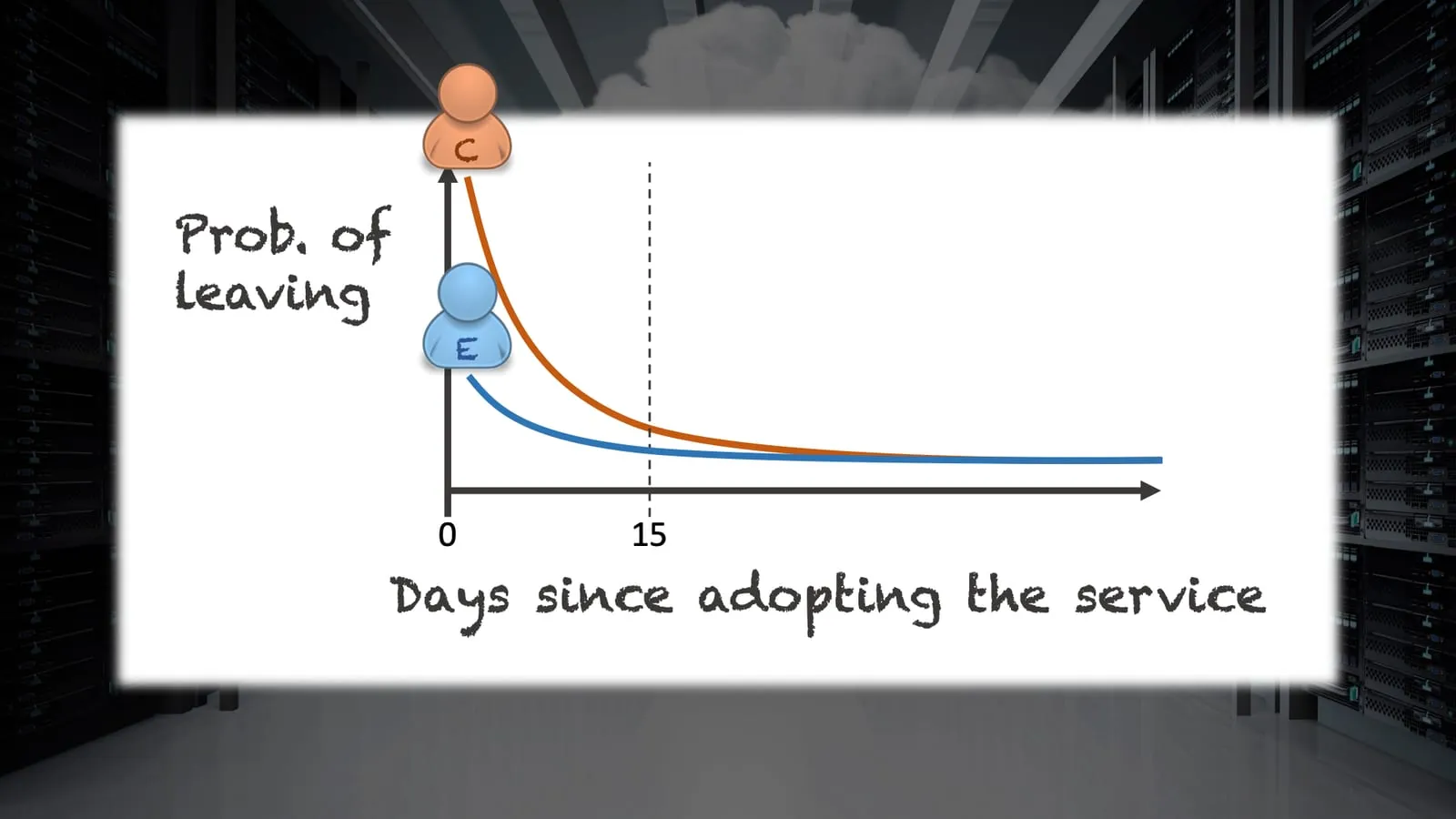
After 15 days, the educated customer (shown in blue with an E) was more likely to still be using the service, and also asked fewer questions of technical support. We estimated the return on those 20 minutes at 56% after eight months. A little help at the start made a real difference in how much customers got out of the technology.
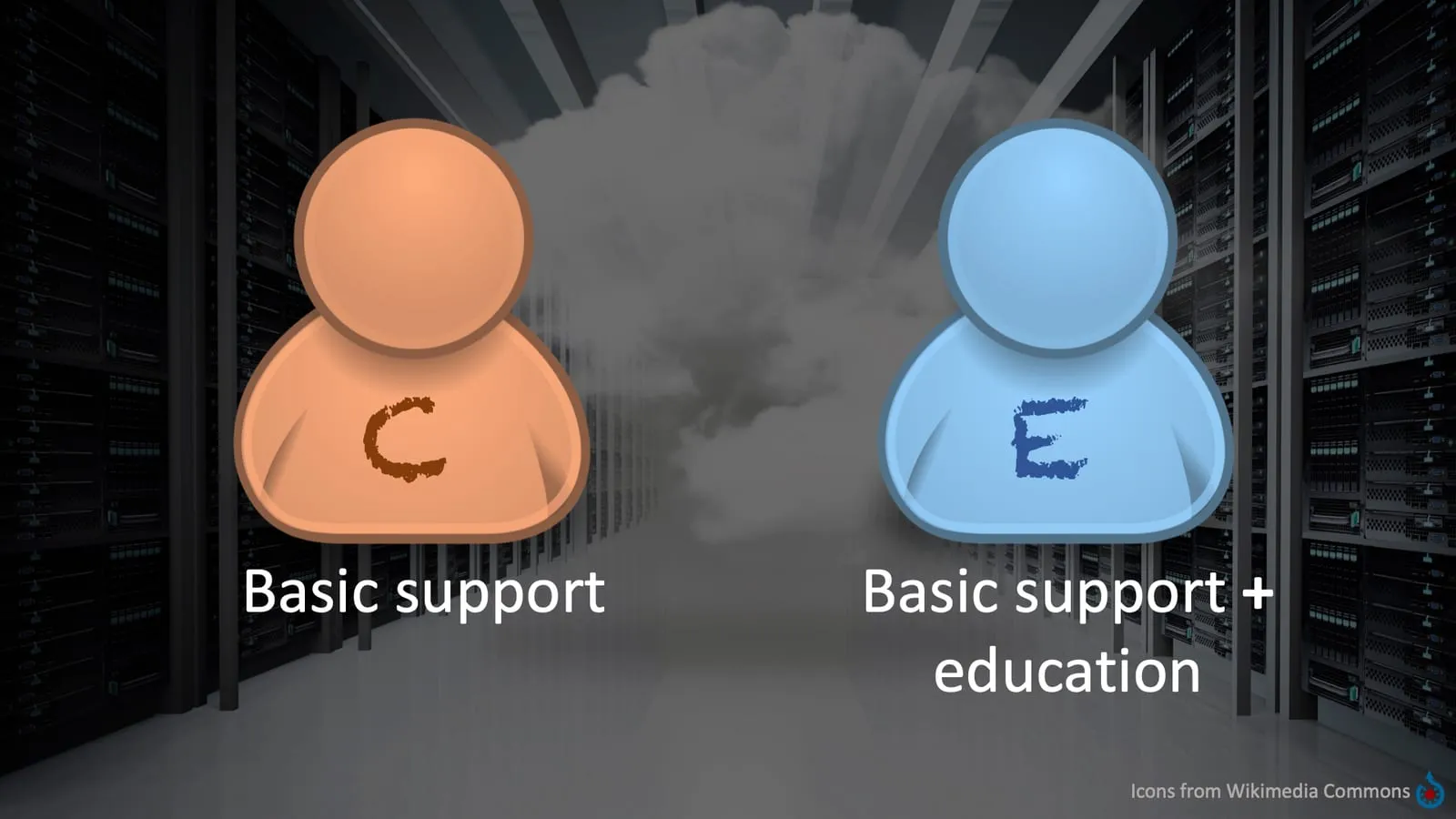
Ongoing education keeps paying off. The second result compared two levels of support. We matched customers to be as similar as possible, so that the only difference was the support they received. Basic support was there to put out fires. Full support also included education: the provider took an interest in each customer’s needs and advised them on how to use the service better.
Customers who received that support not only used more of the service once it started. Over time, they increased their usage faster, possibly because they trusted the technology more. They also used the cloud better, running more servers in parallel in more sophisticated architectures.
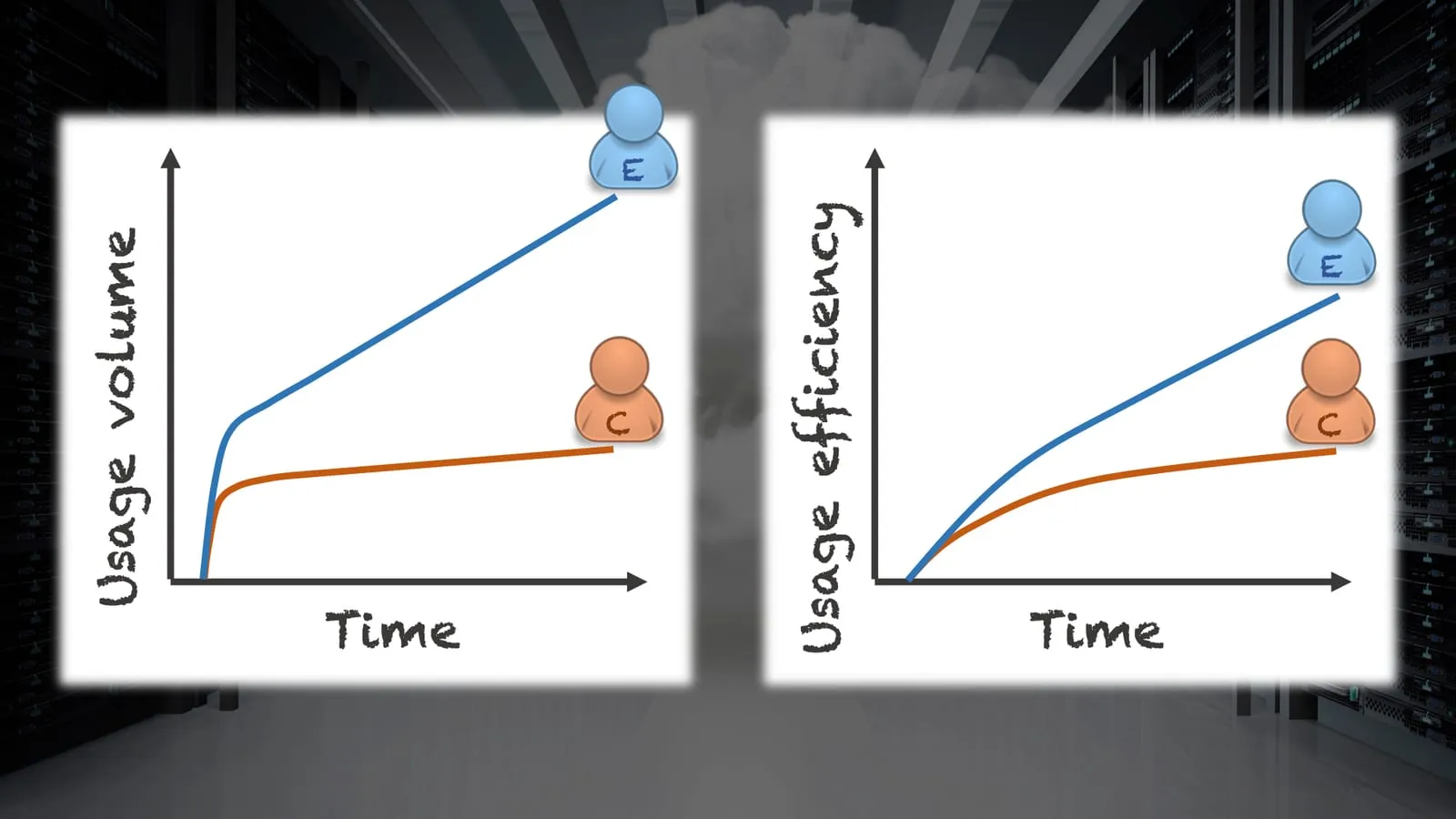
In both cases, the provider’s support and education made the difference in what customers could do with the cloud.
What does this have to do with you?
From San Lucas Tolimán we learned that knowing a technology exists is the first step, that what is obvious to some people (like using a tablet) isn’t necessarily obvious to everyone, and that with some willingness and openness we can learn to use it.
From the cloud customers we learned that the hardest part of adopting a new technology is the beginning, and that ongoing support is valuable, because we keep wanting to do more sophisticated things and the technology keeps evolving.
You probably want to take advantage of technology. The question is whether you are really willing to learn about it.
The real barrier is fear
I teach about technology. Even with young people, it is very common for a student to tell me they know little or nothing about technology. I have met excellent students, with great potential, who run away from it. Their argument: “Tech isn’t my thing.”
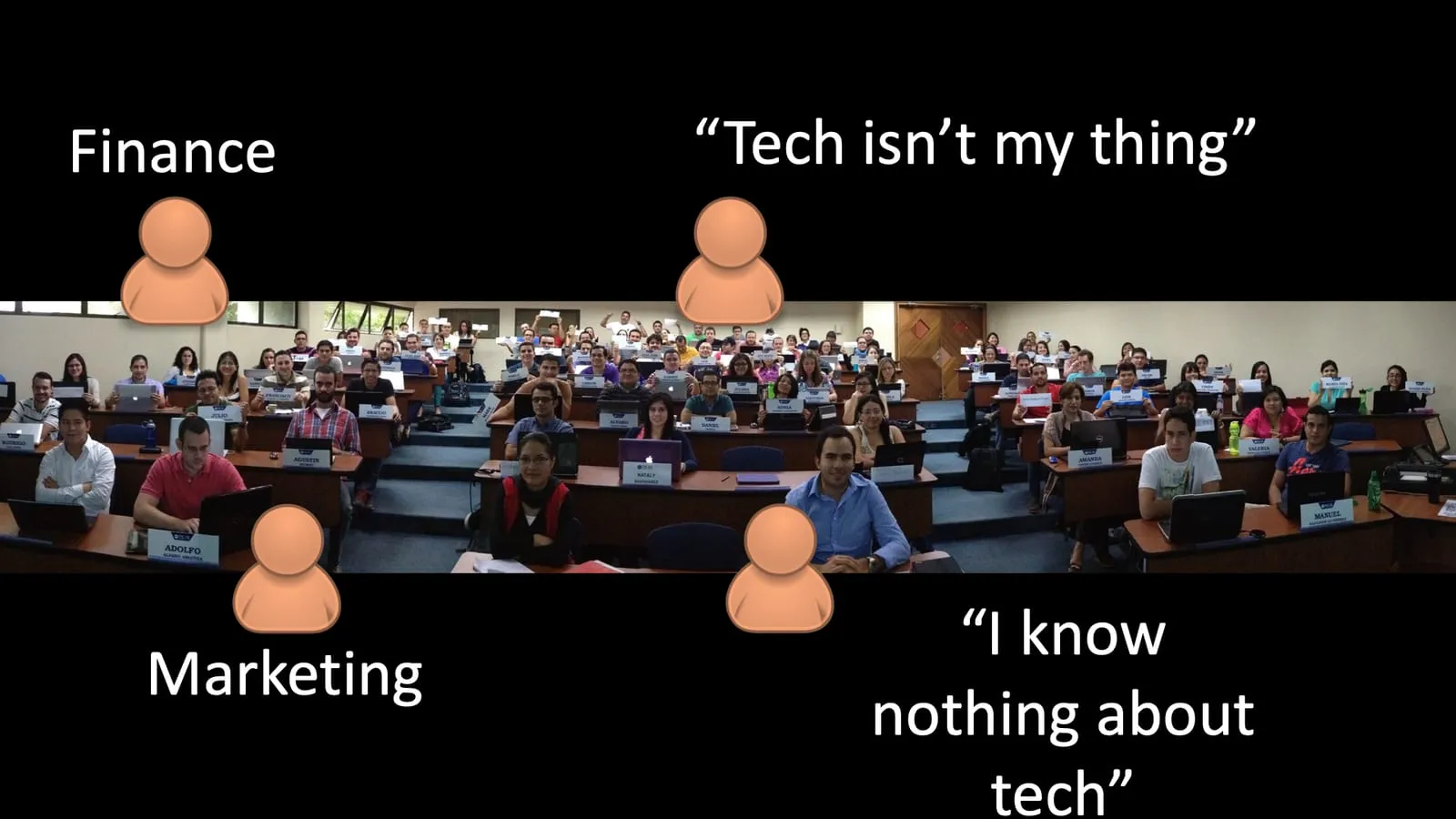
When I ask what they plan to do, they quickly realize that it is. They want to do financial analysis, which means databases and analysis tools. They want to help the family business, which means information systems and websites. What’s really there is fear of the unknown, and that is natural. It’s instinctive.
Ignorance is not stupidity
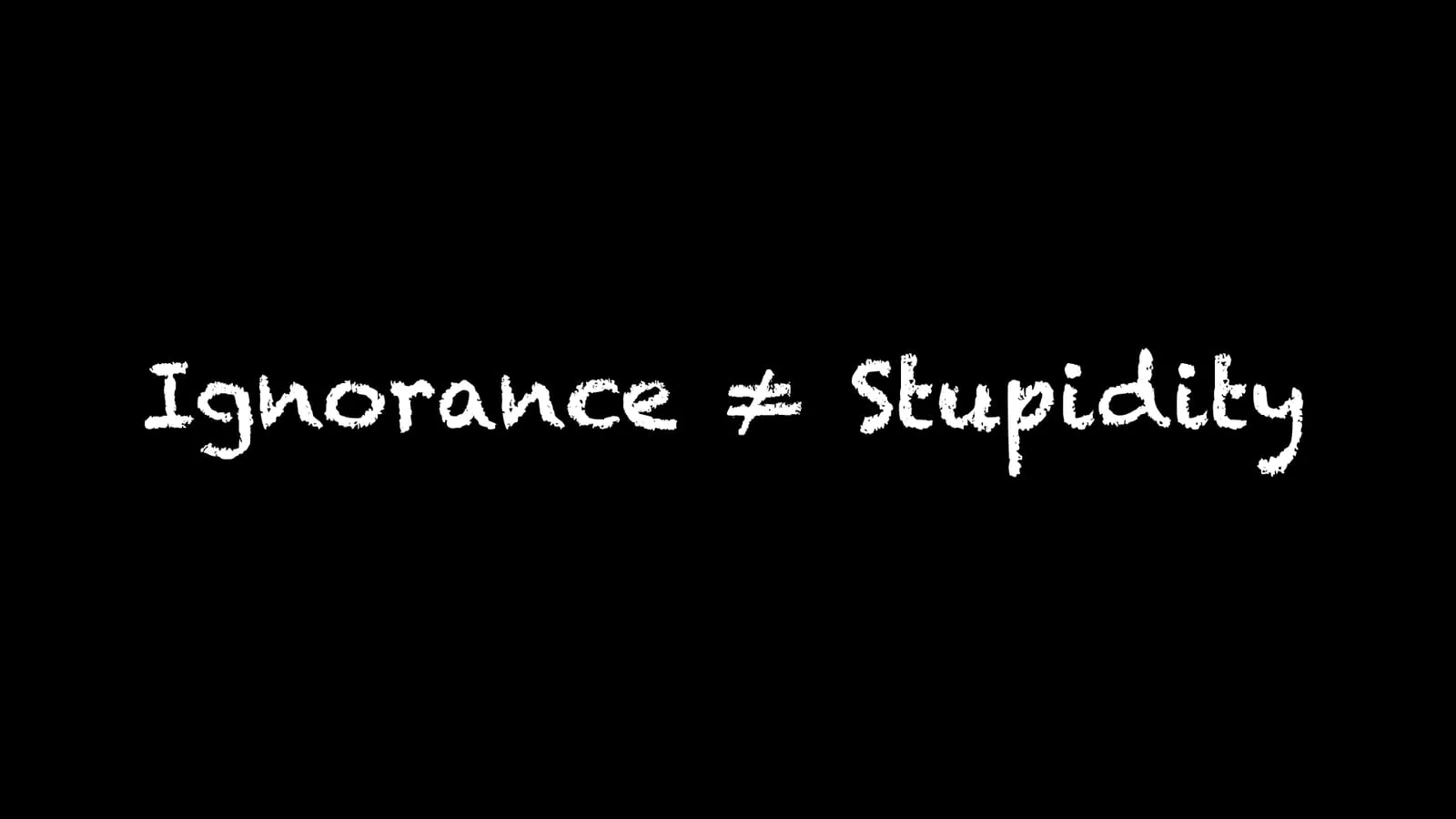
Understanding technology isn’t easy. If it were, I wouldn’t have a job. But I believe that, on average, we are not stupid, and that it is all a matter of ignorance: a lack of knowledge, not a lack of ability to understand.
There’s no reason to be intimidated. If nobody told us something before, how could we have known it? What is obvious to some doesn’t have to be obvious to everyone. The hardest part is getting started, and there are people who can help along the way. Imagine everything we could do if we dared to start. I was ignorant once too.
Watch the talk (in Spanish)
The talk is also on YouTube and on the TED website.